
TRUMP’S DEMAND THE US GET A CUT OF TIKTOK’S SALE COULD SET A DANGEROUS PRECEDENT
WASHINGTON: President Donald Trump’s unprecedented demand that the United States get a cut of the proceeds from the forced sale of Chinese internet giant ByteDance’s short-video app TikTok is based on an interpretation of US law that regulatory la...
The Desi Times Editorial Desk
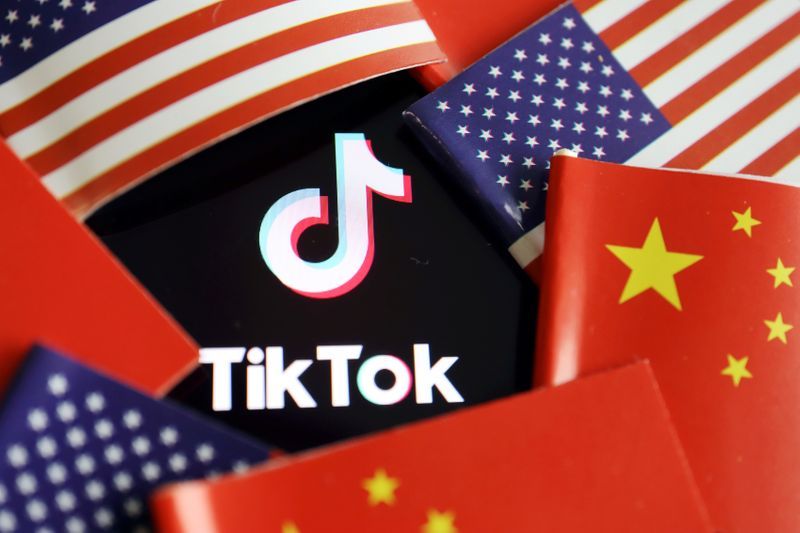
WASHINGTON: President Donald Trump’s unprecedented demand that the United States get a cut of the proceeds from the forced sale of Chinese internet giant ByteDance’s short-video app TikTok is based on an interpretation of US law that regulatory lawyers say may be open to challenges.
The Committee on Foreign Investment in the United States (CFIUS), a US government panel that reviews deals for potential national security risks, has given ByteDance until Sept. 15 to negotiate a sale of TikTok to Microsoft Corp, amid concerns over the safety of personal data that the app handles under its Chinese parent.
Microsoft has said it is seeking to buy the assets of TikTok in North America, Australia and New Zealand. It has not disclosed how much it is willing to pay, though sources previously told Reuters that ByteDance executives value all of TikTok at more than $50 billion.
“A very substantial portion of that price is going to have to come into the Treasury of the United States because we’re making it possible for this deal to happen,” Trump told reporters on Monday.
CFIUS legislation gives the US government broad authority to seek mitigation from companies that are jeopardizing national security, legal experts said.
While CFIUS has never before sought a cut from the proceeds of a divestiture it has ordered, the White House could argue that imposing a fee on Bytedance would deprive it of resources that would otherwise support China’s government on technology initiatives that could harm US interests, some of the legal experts added.
“It’s certainly inconsistent with the intent of Congress … and with CFIUS’s long-standing concern to maintain a reputation for acting apolitically and solely on grounds of national security, but it’s not clear that it’s outside the president’s statutory authority,” said Paul Marquardt, a regulatory lawyer at Cleary Gottlieb.
The White House, the Treasury Department, Bytedance and Microsoft did not immediately respond to requests for comment.
US law states that presidential decisions blocking deals on national security grounds are not subject to judicial reviews. However, a legal challenge is possible under the fifth amendment of the U.S. Constitution, which prohibits the government from seizing property without just compensation, as well as other laws, legal experts said.
While a previous fifth amendment challenge to a CFIUS order had limited success, this would be the first time a challenge could be mounted against the U.S. government imposing a deal fee, the experts added.
“This is akin to the Foreign Corrupt Practices Act but on U.S. soil, where the U.S. government would be able to require what is tantamount to a bribe in order to obtain a regulatory approval for a business transaction,” DLA Piper lawyer Nicholas Klein said.
It is not clear if Trump will make good on his demand for a slice of the TikTok deal proceeds. “I’m not sure it’s a specific concept that will be followed through,” White House economic adviser Larry Kudlow told Fox Business News on Tuesday.
Related Coverage

Why the Democratic Party's Approach to Immigration is the Right One
As a South Asian, I understand the frustration many of us feel when it comes to immigration. My family, like so many others, worked hard to come here legally. We navigated a complex system, waited years, and sacrificed a lot to make this country o...
What Has the Biden/ Harris Administration Achieved?
Very often, while engaging in a discussion with friends and family, the question comes up: But what has this administration actually done? How am I benefiting from this? I thought I’d share some data points Disclaimer: This is by no means an exha...
Why Trump’s Lies Are Dangerous
Trust is what holds everything together in a democracy. When people don’t trust the government, or even basic facts, everything starts to fall apart. Think about the deep cynicism many of us have about politicians in India and other South Asian co...